 EN
EN  NL
NL 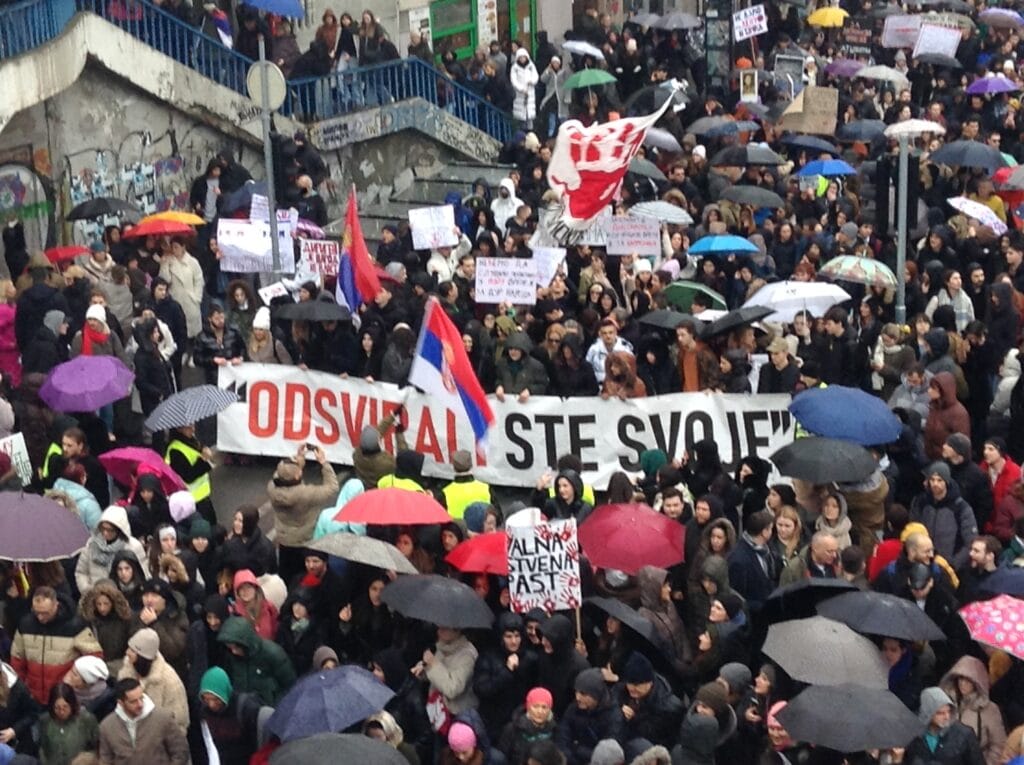
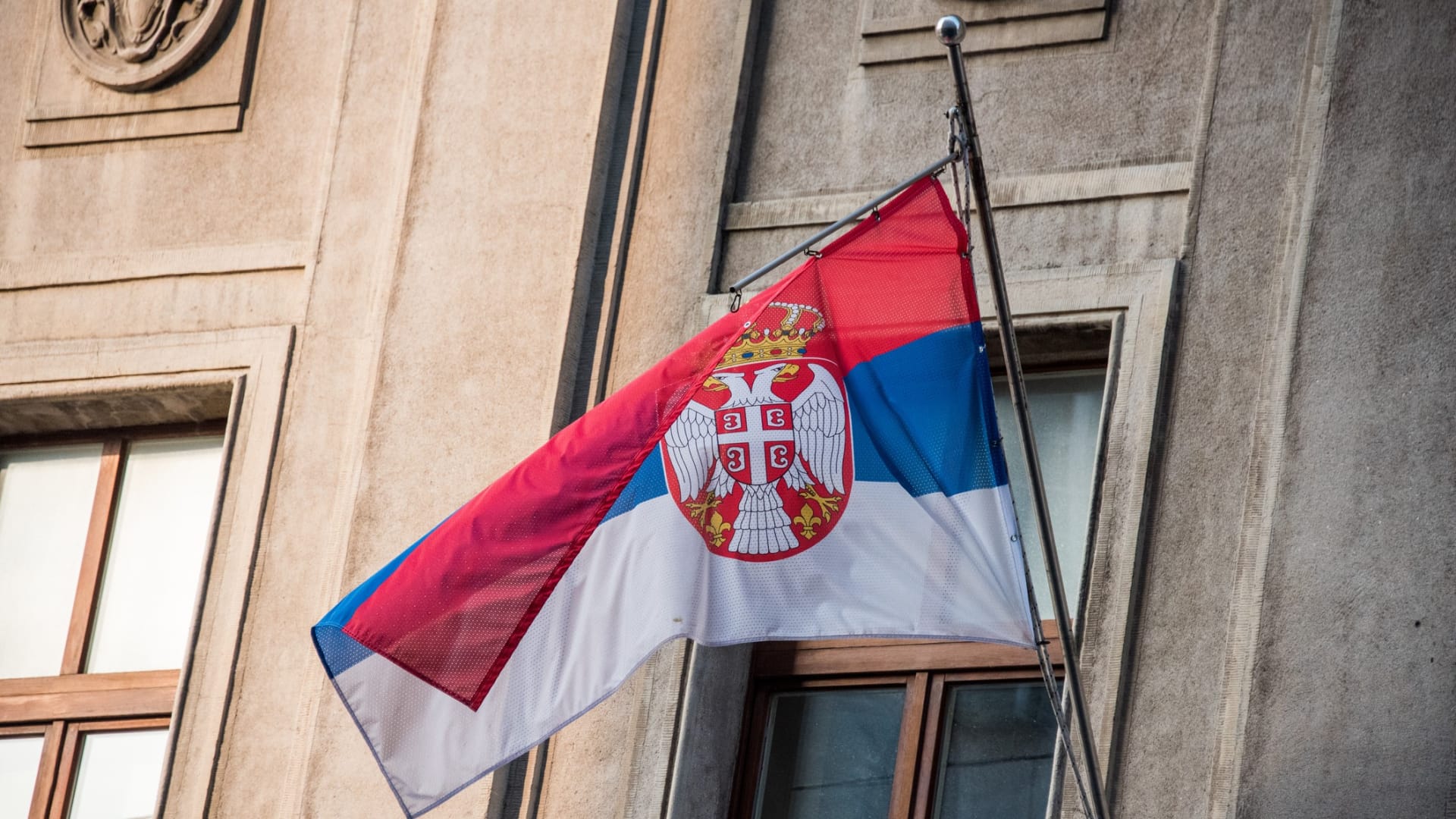
Last Saturday, on 24 May, one of the largest demonstrations in Serbia's modern history took place. The demonstration was led by the student movement, which has been in power since Novi Sad train station disaster in 2024 has been persistently protesting for a year and a half against corruption and democratic decline under President Aleksandar Vučić and his ruling SNS party.
Under Vučić's leadership, Serbia rapidly slipped to one of the Europe's most autocratising countries according to V-Dem's annual report: political rights and civil liberties have been steadily eroded, independent media are disappearing, and civil society is actively opposed and repressed. Demonstrations in recent years have also been marked by police brutality and repression: at a major rally last year, the government was accused of using a sound cannon against protesters. In local elections in late March, there were coordinated attempts to make it difficult for citizens to vote for opposition parties, and journalists and election observers were attacked.
These are scenes befitting an autocratic regime á la Russia or Belarus, but Serbia is a European Union candidate country. While the country's democratic decline has been in full view for years, Belgardo is still only too happy to present itself as a benevolent cooperation partner of the EU, claiming to embrace European values - and Brussels goes along with it. Infamous is Ursula von der Leyen's use of “Dear Aleksandar” in dealing with Vučić. Geopolitical interests play a big role in the EU's attitude towards Serbia: Serbia is the most influential country in the Western Balkans, and Brussels is terrified of alienating the Serbian government too much, thus playing into the hands of Russian influence in the region.
This leads to an ambivalent, implausible and counterproductive attitude. Progress in the European Union accession process is theoretically based on meeting democratic conditions and conforming to the common foreign policy - two aspects that Serbia clearly does not meet. Yet the EU has so far been slow to react or draw consequences for the actual democratic deterioration in the country. This seemed to come to an end last month after news emerged that the EU considers cutting €1.5 billion in EU aid, but the European Commission has to this day no decision on this yet.
This fact is dangerous for two reasons. First, it is difficult to justify to the democratic movement in Serbia that the EU is speaking out weakly against the Vučić government, despite increasing repression and cooperation with Russia. This undermines the confidence of pro-democracy Serbian citizens that rapprochement with the European Union is the right route to a democratic future. In addition, a weak attitude towards Vučić undermines the European Union's accession policy in general: if other candidate countries see Serbia retaining its candidate status without fulfilling the EU's democratic conditions, it increases the risk that they will feel much less incentivised to implement needed reforms themselves.
We therefore call on the Dutch government to advocate for a much more outspoken and proactive EU position on Serbia - one that draws real consequences from the increasing repression, not only in words, but also in deeds. The EU and its member states should play a much more active role in supporting the Serbian democratic movement, and protecting and funding democratic civil society organisations and the independent media in Serbia. Only in this way can the EU show the Serbian people what it really stands for.