
 EN
EN  NL
NL The situation of refugees in Turkey
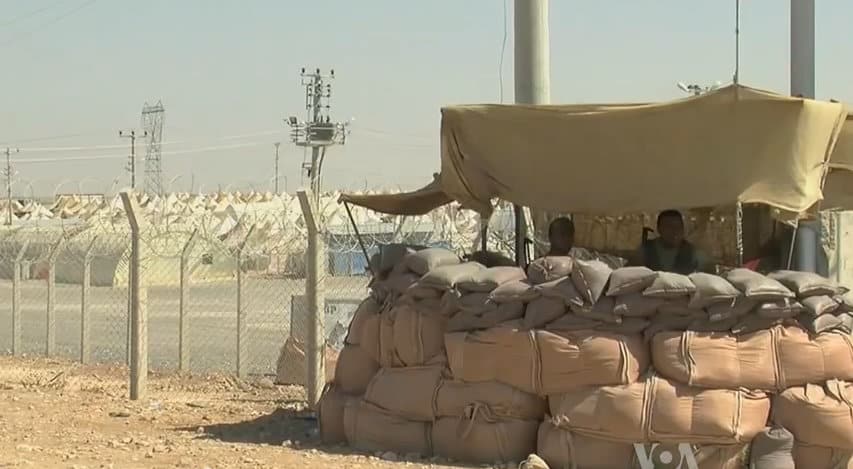
After the introduction of the Turkey-EU deal (2016), it seemed that the Syrian refugee crisis was largely over. The news was no longer dominated by images of overcrowded rubber boats filled with people trying to get to the Greek islands from Turkey. Yet the cause of the refugee crisis has not been resolved. The war in Syria continues unabated. In addition, the immediate motivation for those seeking to cross European borders were the poor living conditions in Turkey. In 2018, Turkey has around 4 million refugees. The majority are from Syria, along with people from Afghanistan, Iraq, Iran, Pakistan, and a number of other nationalities, including several African countries. The uncertainty and hopelessness in Turkey was the reason for many to undertake the dangerous and costly journey to 'Fortress Europe'. Has anything changed since then about the situation of refugees in Turkey, two years after the Turkey-EU deal?
Same-sex marriage ban not included in Romanian constitution after all
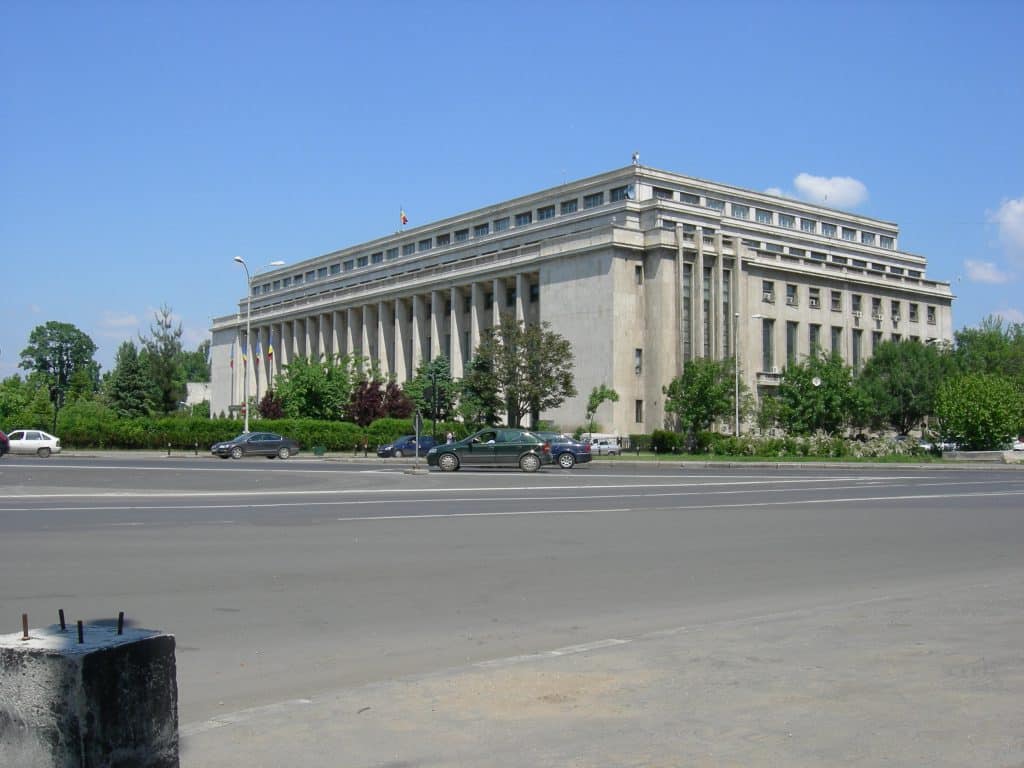
In a country where an overwhelming majority is conservative Christian and the churches are full, same-sex marriage has little support. Yet it failed to get a ban in the constitution.
First test for new government in Armenia
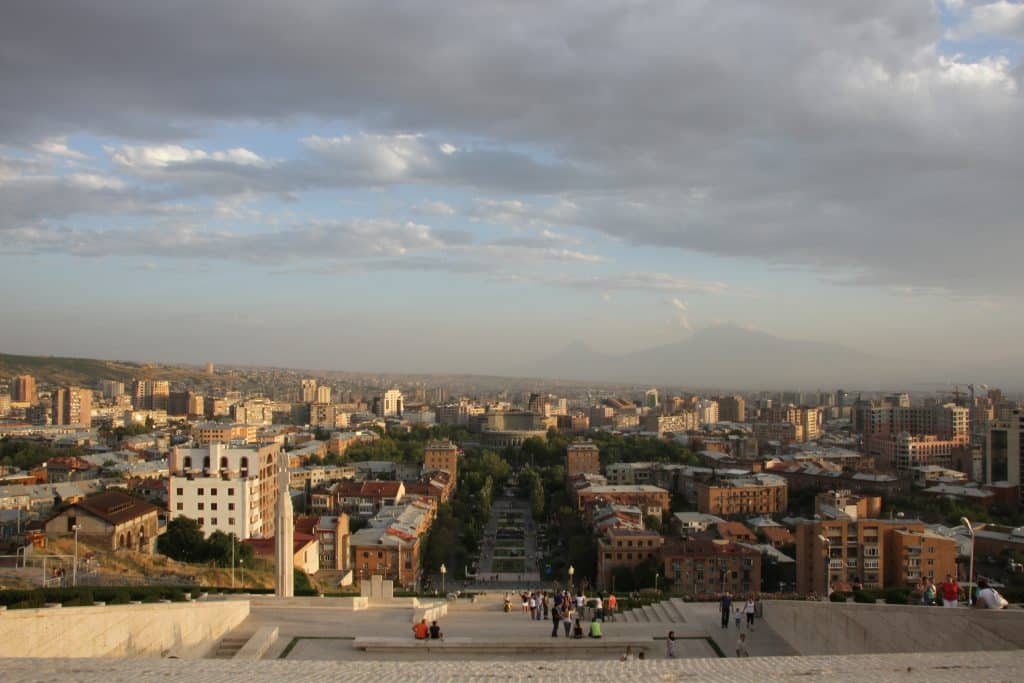
Last Sunday, local elections took place in Yerevan, the capital of Armenia. This would not normally be big news, were it not for the fact that these were the first elections since the peaceful revolution in the country earlier this year. AND the fact that some 40% of all voters live in the capital. This election was therefore seen as a first real test for the post-revolutionary government of Prime Minister Nikol Pashinjan. Especially since after taking office in May, following massive protests led by him, he set early parliamentary elections as one of his priorities. These, he said, will take place before May 2019. The Yerevan elections were thus a milestone because they would provide preliminary answers to two crucial questions: is the country indeed freer and more democratic than before, and can the newly-elected Prime Minister still count on the massive support of his people in the early parliamentary elections?
Worries for the Kremlin?
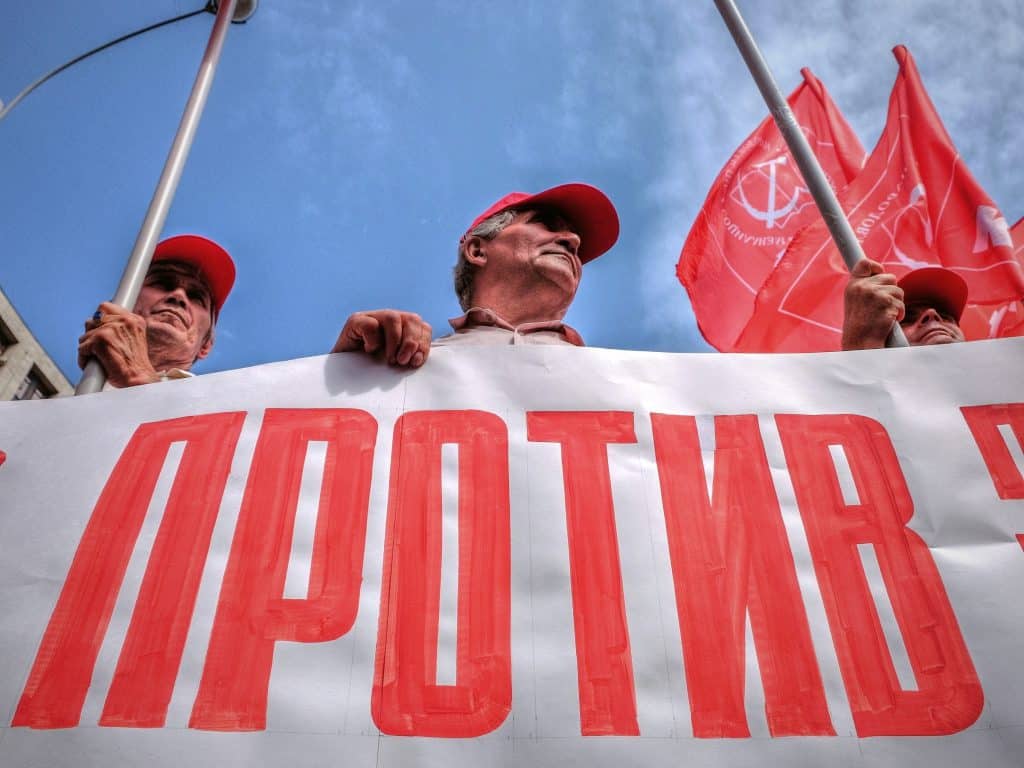
In the past weeks, thousands of people have protested in different cities across Russia against the pension reform plans announced by the Kremlin. The protests climaxed on September 9, the day of the regional elections, with nationwide rallies called for by opposition leader Alexey Navalny, who himself had been put in jail just two weeks beforehand. Protesters at the rallies, held in 33 cities, shouted slogans like 'Putin is a thief' and 'Away with the tsar.' State police arrested, sometimes violently, and jailed more than 1,000 people, of whom 452 in St Petersburg alone. While protests in Russia are not uncommon, it seems that this time they have the Kremlin worried and looking for ways to win the public back.
'Do sanctions help resolve the conflict in eastern Ukraine?'
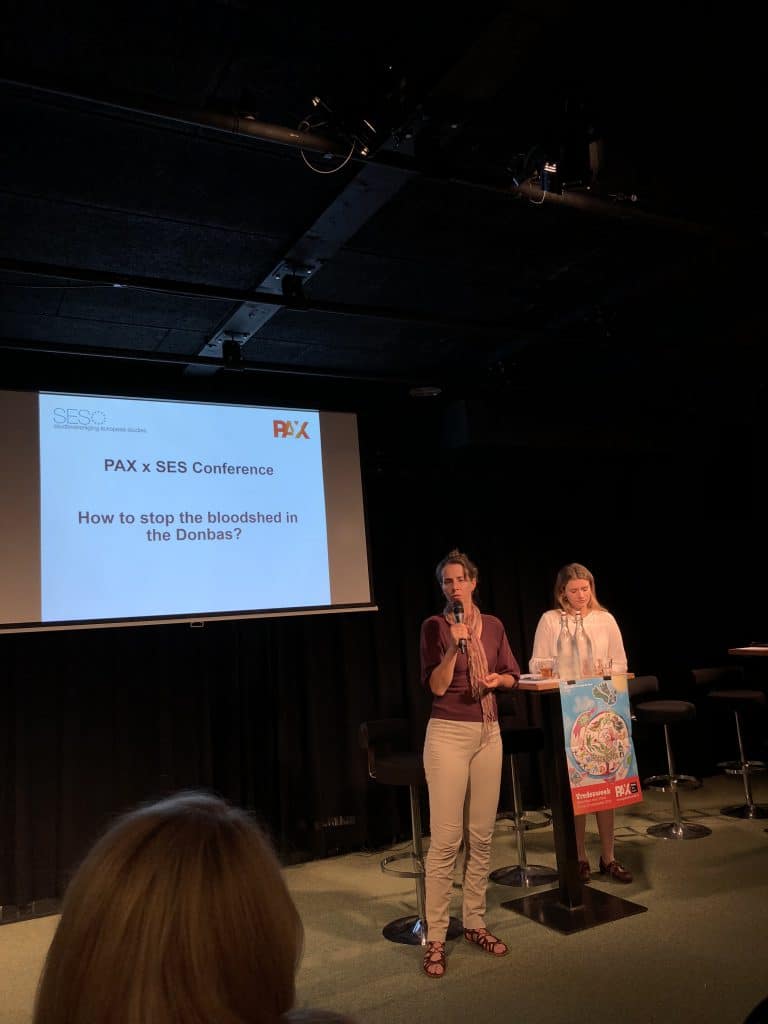
On 18 September, during PAX Peace Week, PAX organised a conference in collaboration with SES (European Studies Study Association) around the question: 'How do we stop the bloodshed in the Donbass?'
Experts from different regions in Eastern Europe and the Western Balkans had come together for the event to come up with concrete solutions to the conflict in eastern Ukraine. They presented their findings at the mini-conference in the evening.
To Censor or Not to Censor, That is the Question
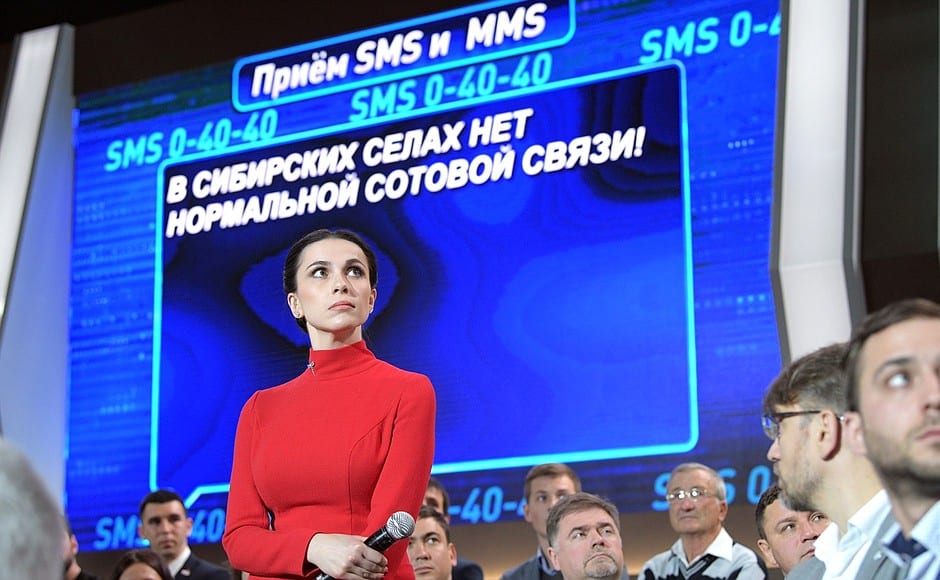
In his annual Direct Line on Thursday, June 7th, Russia's President Vladimir Putin dedicated four hours to addressing complaints, questions and concerns by Russian citizens on live television. The questions were submitted on a rolling basis per text message, through the website moskva-putinu.ru or on live video call, and were aired on screen. As opposed to the previous years, the Kremlin decided not to include a live audience, but instead to expand in regards to ministers and governors who were put on conference call in relevant matters. The Direct Line is a carefully mapped out event, allowing no room for improvisation, and every step is carefully staged to achieve a goal. Thus, certain aspects that may seem unpredicted to viewers serve a clear purpose. Overall, various aspects of the Direct Line formidably show that Putin is pursuing a new strategy to place himself at the front of his government, and the format of the show is arguably a tool to achieve the goal of both uniting his people and improving his image among youth and critics.
Political Café Armenia: A revolution of love and solidarity
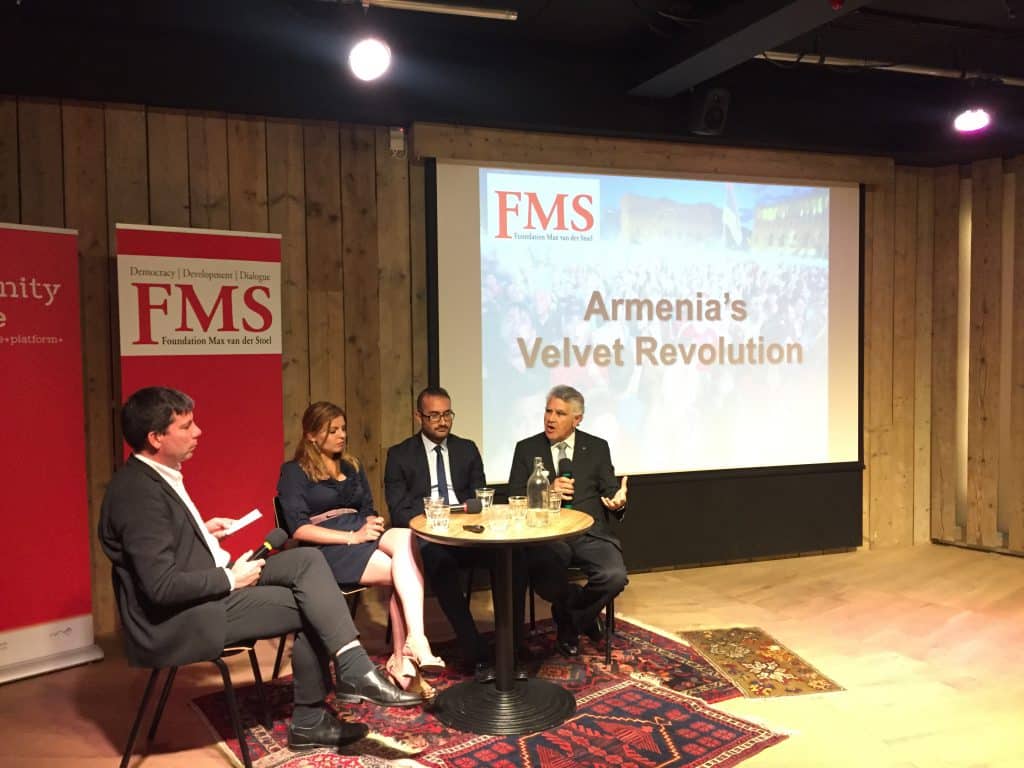
In the Netherlands, the recent political upheaval in Armenia has largely stayed out of the news. High time, therefore, to dig a little deeper into recent events. And what better place for that that a Political Café? In a well-filled Humanity House, the FMS organised a very interesting evening full of strong analyses, gripping stories and musical highlights on 25 June. Under the watchful eye of moderator Arjen Berkvens, the audience learned more about the revolution.
#TAMAM - Turkey's Social Media Stays Strong
Turkey's President Erdoğan was re-elected as head of government for the next five years, and his next term is bound to continue the streak of limiting the freedom of press and prosecuting opponents. Throughout the election campaigns, opposition parties were seriously limited by the ongoing state of emergency, and had to resort to creative methods to attract voters. In fact, oppositional parties expressed such energy that, until the results of the elections rolled in on Monday, June 25th, observers speculated that there was a real chance of challenging Erdoğan's majority rule. Although Turkey remains a polarised country, social media has become the go-to approach for change-makers.
Armenia's Velvet Revolution
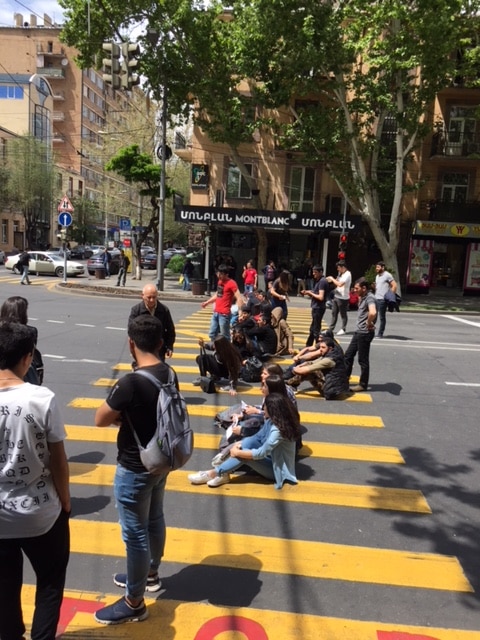
On 8 May, after weeks of mass protests, a new prime minister was appointed in Armenia: Nikol Pashinjan, the leader of the Armenian Velvet Revolution. Driving the protests were students and other young activists. The FMS asked one of those activists, 20-year-old Ozheni Avetisyan, to write about her experience of this revolution. Want to read Avetisyan article? Then click on read more.
Revolution in Armenia
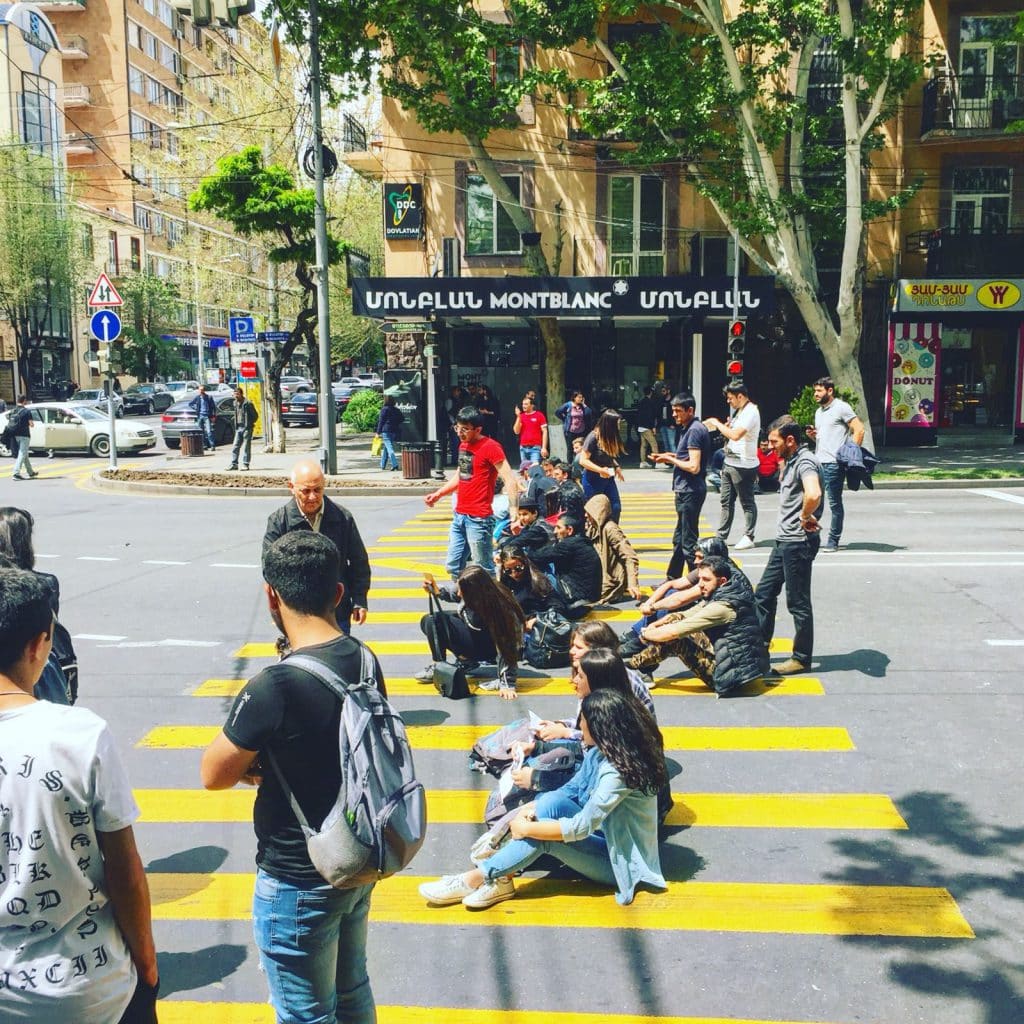
After 11 days of mass protests in Armenia against Prime Minister Serzh Sargsyan, the latter decided to resign on 23 April. After a brief euphoria and celebrations in the streets, however, it appeared that the ruling party had no intention of giving up power by doing so. Although it admitted not to put forward its own prime ministerial candidate, it would still consider which candidate it would support, although there was only one candidate: protest leader Nikol Pashinyan.