 EN
EN  NL
NL Commemoration of four disappeared Belarusians
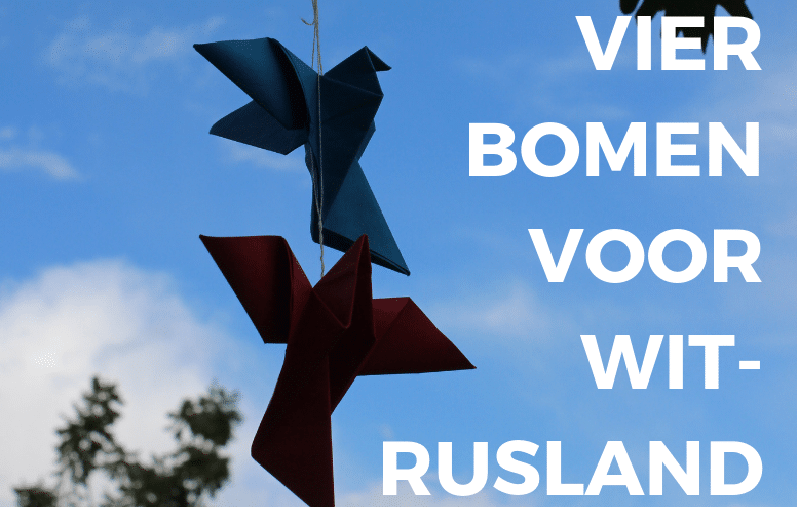
Eindhoven commemorates four disappeared Belarusians for the 12th time
Progressive Women of Eastern Europe want more cooperation
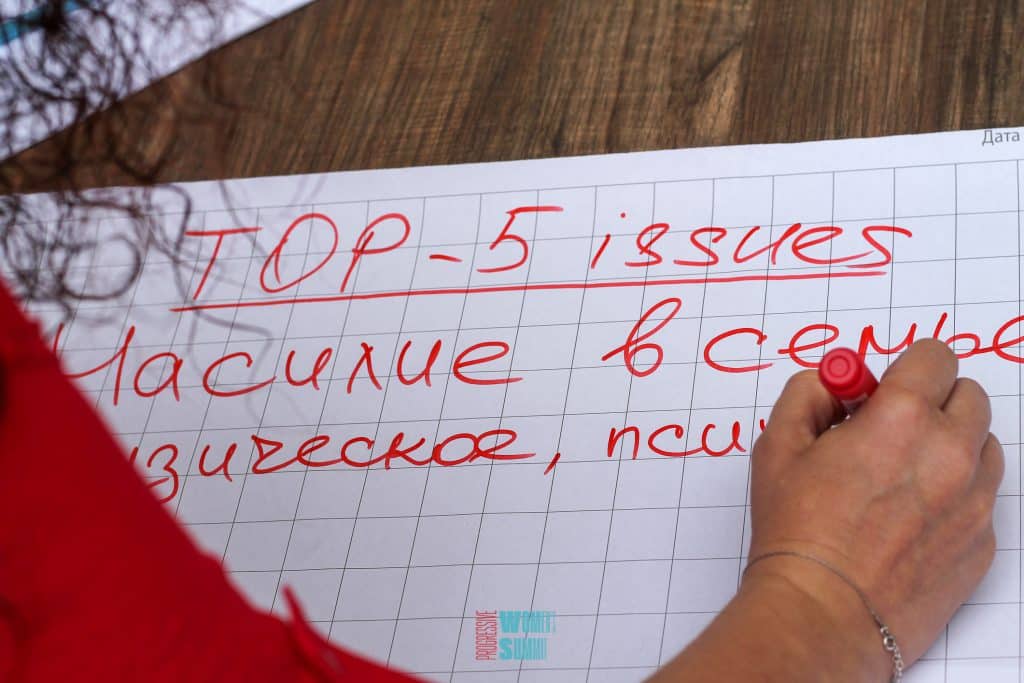
Last weekend, we organised the Progressive Women's Summit of Eastern Europe, together with the UK Labour Party and the Social Democratic Platform in Ukraine. Women from four Eastern European countries - Ukraine, Belarus, Armenia and Georgia - came together in Kyiv, to share experiences and reflect together on possible solutions to the challenges they face.
Elections in Ukraine: how's it going?
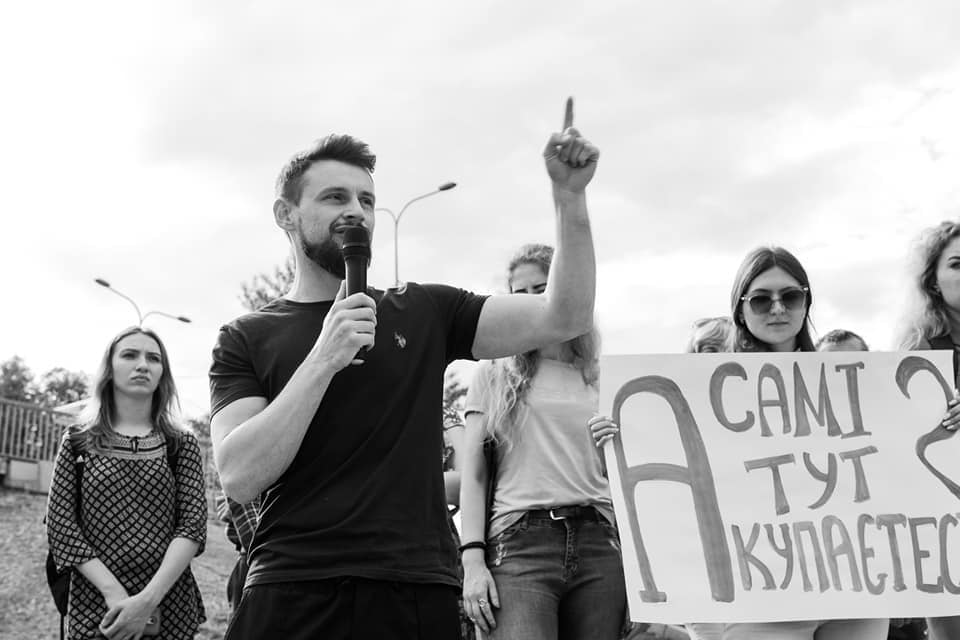
Last Sunday there were parliamentary elections in Ukraine. The results showed an overwhelming success for Servant of the People, the party of President Volodymyr Zelenskiy: for the first time in the history of independent Ukraine, one party managed to get a majority in parliament without the need for a coalition. But then, Zelenskiy is a very popular actor/comedian with sufficient financial resources. How does something like this work with candidates who don't have that? Our partner in Ukraine, the youth movement SD Platform, participated in the elections for the first time this time with one candidate: one of its founders, Bohdan Ferens. Friso Ages travelled to Kyiv to participate in the last days of his campaign and to watch election day. Below is his report.
Female leadership training in Armenia
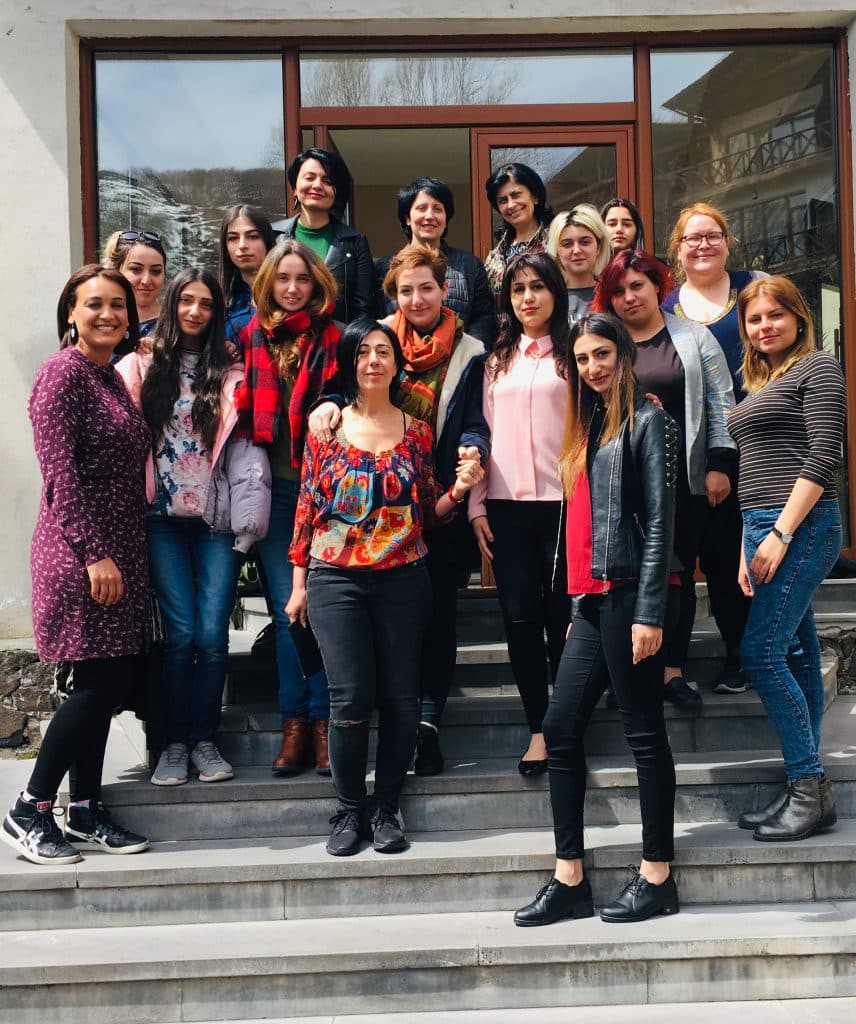
Last week, we organised a training in Armenia, together with Women in Europe for a Common Future (WECF). It is difficult for Armenian women to advance to leadership positions in politics, due to prevailing stereotypes and a relatively conservative society. This training was designed to give a group of talented young women the necessary skills they can use against these obstacles and help each other.
Political newcomers: wave of change in Eastern Europe?

For years, we have been talking about the rise of nationalism, conservatism and nativism in Europe. Could it be that a countermovement is now emerging there? A number of new leaders in Central and Eastern Europe may be showing a new trend. Want to know more? Read all about it in the piece by our Eastern Europe expert Marina Ohanjanyan!
Elections in Ukraine: All You Need To Know
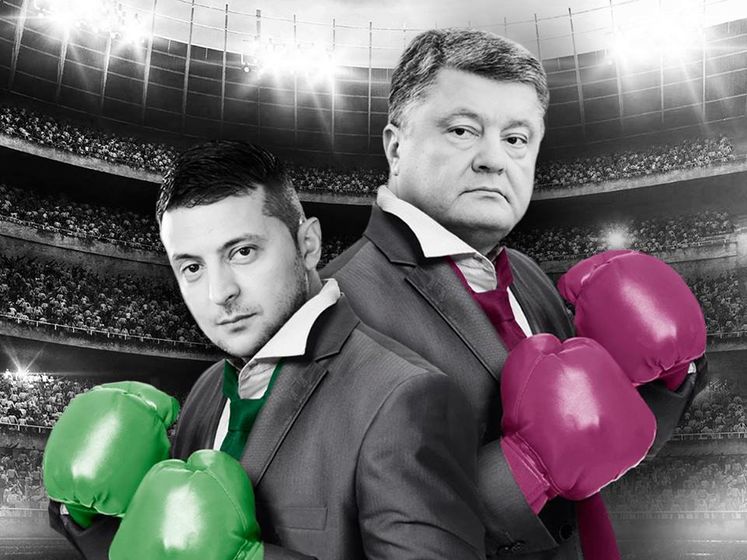
Ukraine is in the midst of an electoral campaign. Volodymyr Zelenskiy and Petro Poroshenko, who received the biggest number of votes in the first round of presidential elections, are actually close to the finish line. However, the electoral campaign becomes more and more interesting. Candidates focus on show and action, sometimes forgetting about their own programmes and ideas.
What is happening in Ukraine, what is this struggle about and who will win - Vitaliy Tysiachnyi, coordinator of the Social Democratic Platform in Ukraine, explains.
FMS workshops at Labour Party congress in Den Bosch
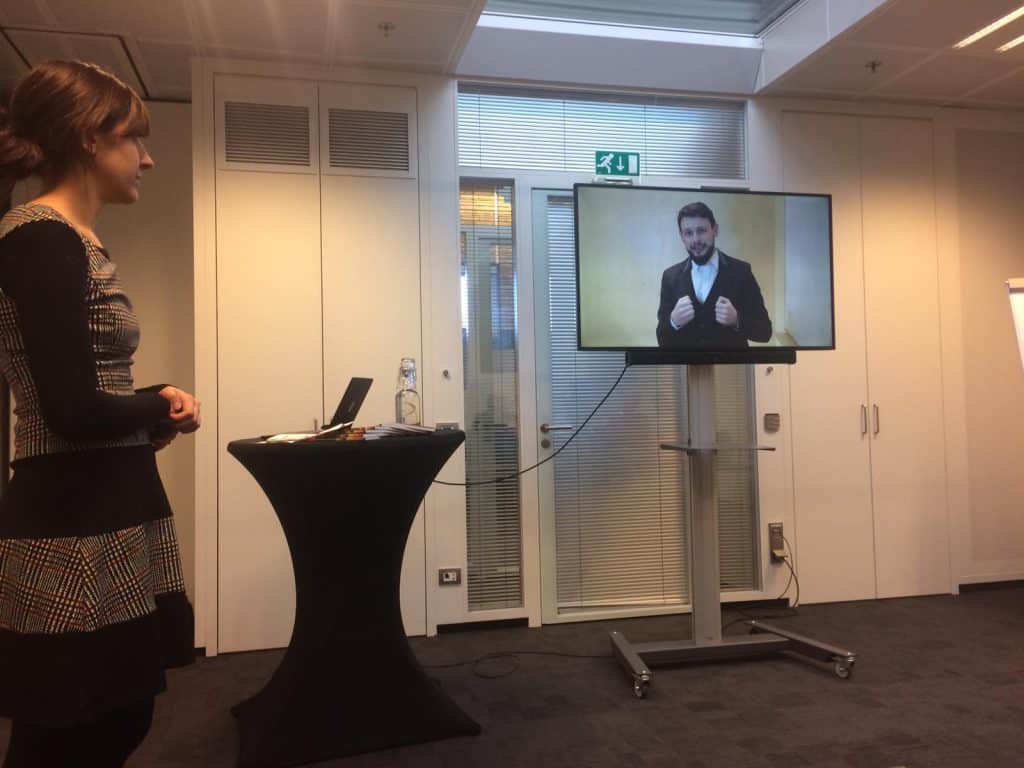
No better place than the Labour Party Congress on 19 January in Den Bosch - where the list and programme for the European elections were decided - to draw our attention to the EU's neighbours. Foundation Max van der Stoel therefore organised two workshops in Den Bosch on the security situation in Eastern Europe and on EU enlargement towards the Western Balkans. Bert Koenders, Jan Marinus Wiersma and Albanian Ambassador Adia Sakiqi were our guest speakers!
Romania: Corruption index remains almost the same, but EU concerned about rule of law
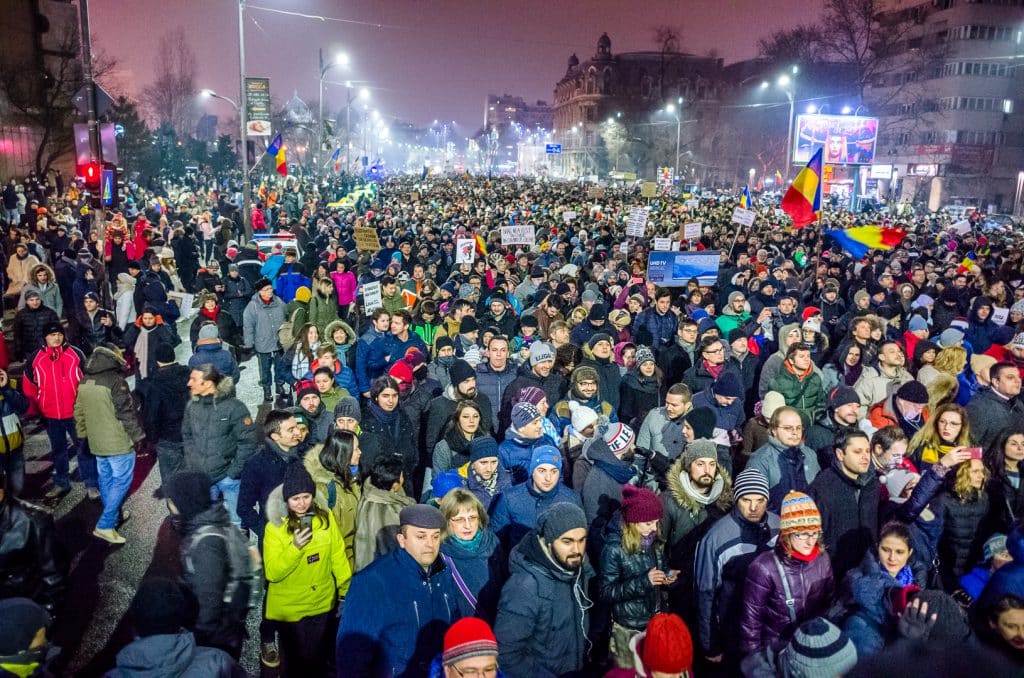
For a number of years, Romania's anti-corruption prosecution was able to secure resounding convictions. The government has stopped that momentum, trying to muzzle the prosecution and ignoring the independent governing body of the judiciary. However, this does not yet translate into a lower score on Transparency International's Corruption Perception Index.
A test for Georgia
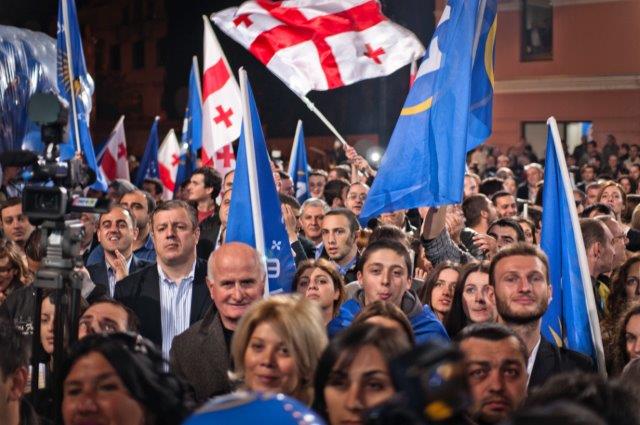
A fierce campaign raged in Georgia in recent weeks. Yesterday, the second round took place of a presidential election that made it unprecedentedly exciting in the first round: the difference between the winner and the number two was less than 1%. The ruling party, Georgian Dream (GD), is backing an independent candidate, Salome Zurabishvili, against the opposition United National Movement (UNM) candidate, Grigol Vasjadze. The powerful GD threw everything into the fray, resulting in a huge mobilisation. This was also visible: the entire government campaigned and in capital Tbilisi, gigantic posters of Zurabishvili hung everywhere you looked. It worked: some 98% of the votes have now been counted and of these, she has 60% versus Vashadze's 40%.
Cyber attacks from Russia: no sign of cyber war (yet)
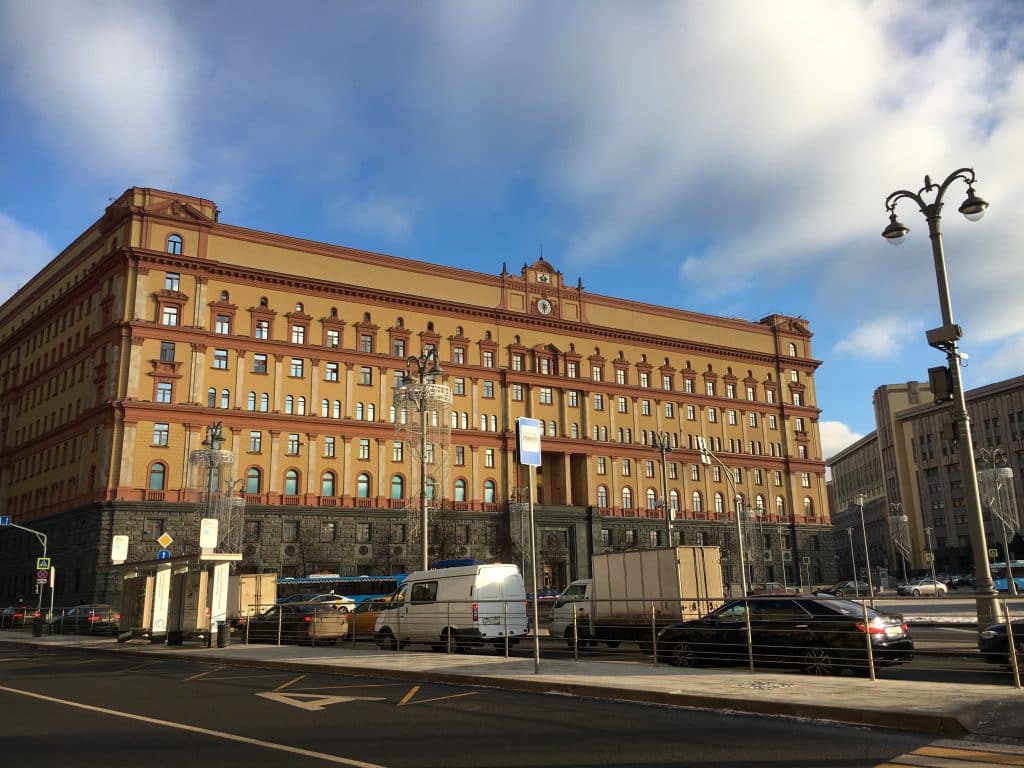
Defence minister Ank Bijleveld stated on 14 October that the Netherlands is engaged in a cyberwar with Russia. It has been in the news regularly since 2015: cyber attacks from Russia in several Western countries. The term war seems exaggerated - after all, no physical damage has been done yet - but the attacks are becoming increasingly brazen. How did it come about, how does it work, and how do we deal with it? On these and other questions, cyber and intelligence expert Andrei Soldatov and Eliot Higgins of Bellingcat spoke at the Rode Hoed in Amsterdam.