 EN
EN  NL
NL Western Balkans expectations on eve of European summit
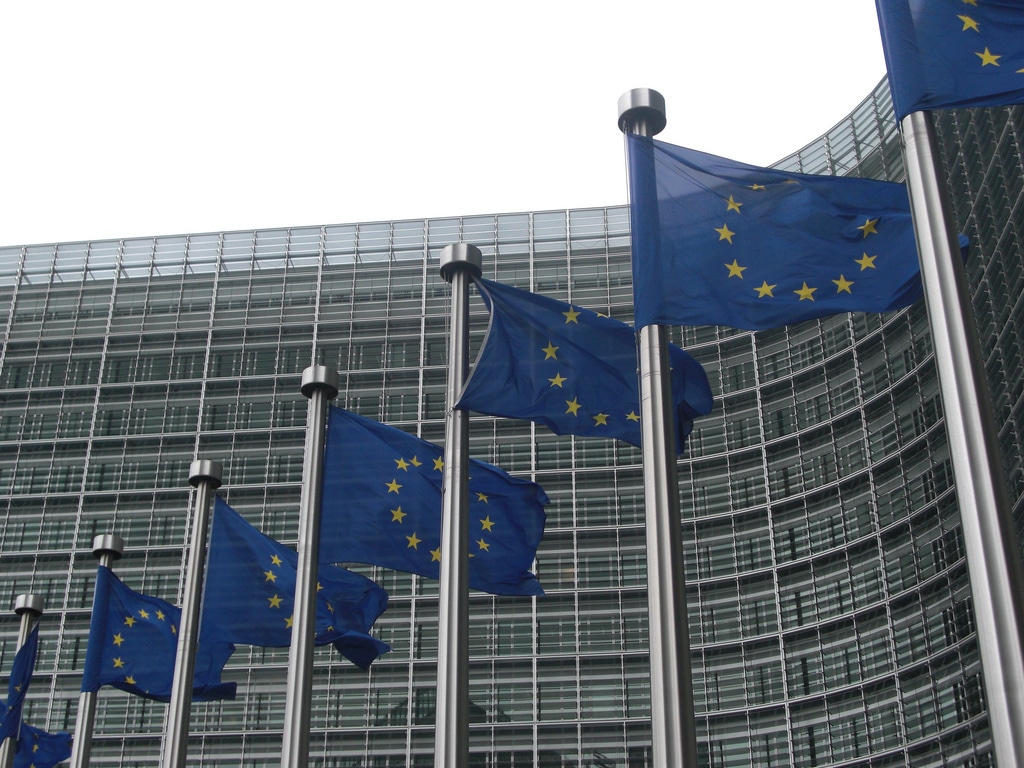
Will we ever be part of the European project? That is the question all Western Balkan leaders are asking as they prepare for the big summit. After French President Macron's statement, no enlargement until the EU itself puts its house in order, last month in Strasbourg, their dreams shattered.
In power since 1991: Djukanovic wins presidential election in Montenegro
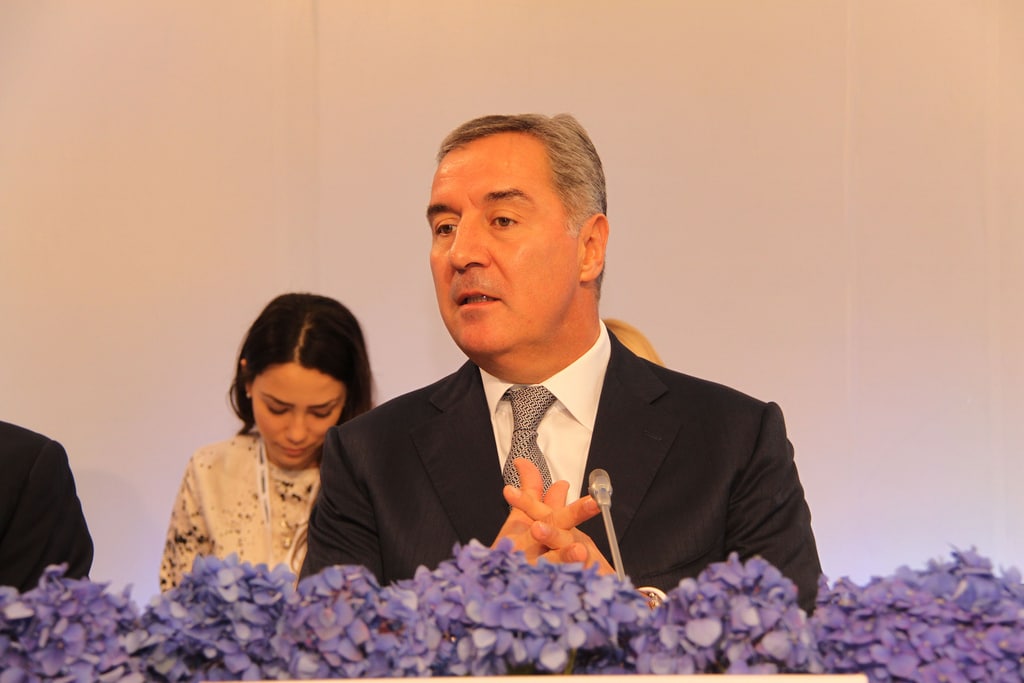
On 15 April, Milo Djukanovic (Democratic Party of Socialists, DPS) won the presidential election in EU candidate Montenegro. A generation of Montenegrins grew up with Djukanovic as leader: since 1991, he has been prime minister six times and now, for the second time, president. His long rule is not uncontroversial. He allegedly enriched himself during Western sanctions against the former Yugoslavia in the 1990s by working closely with organised crime. In 2002, for instance, the prosecutor in the Italian city of Naples issued an arrest warrant for Djukanovic's alleged role in cigarette smuggling. Despite the EU perspective - Montenegro is currently negotiating accession - the democratic transition is stalled by authoritarian leadership of one of the longest-serving leaders in Europe.
EU's New Enlargement Strategy: Change of Tone
On the 6th of February the European Commission presented its long awaited enlargement strategy for the Western Balkans. Since the State of the Union of European Commission President J.C. Juncker last year, there was a growing momentum for a clearer prospect for accession of Bosnia-Herzegovina, Serbia, Montenegro, Kosovo, Macedonia and Albania to the Union.
Back to the '90s: Serbian politician assassinated in Kosovo
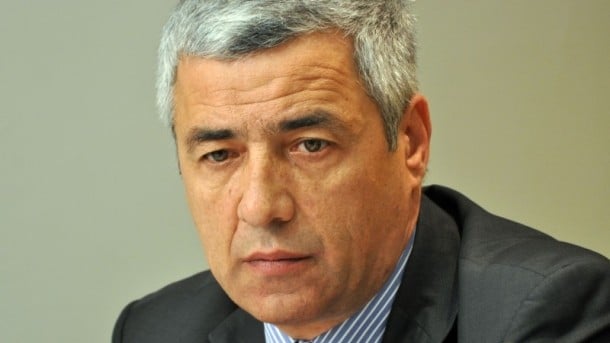
On 16 January, Oliver Ivanović, the main Serbian opposition leader in Kosovo, was shot dead in front of his office. Contrary to reports in some media, this murder most likely had nothing to do with ethnic divisions in Kosovo. Three months ago, I was part of a small European Forum delegation visiting Kosovo and we spoke to Ivanović at his office about the challenges facing Kosovo in the run-up to local elections. How can such an assassination take place in a de facto EU protectorate where European military, judges and officials are supposed to provide security and help build democracy and the rule of law?