 EN
EN  NL
NL 'Country of the Week' - Serbia
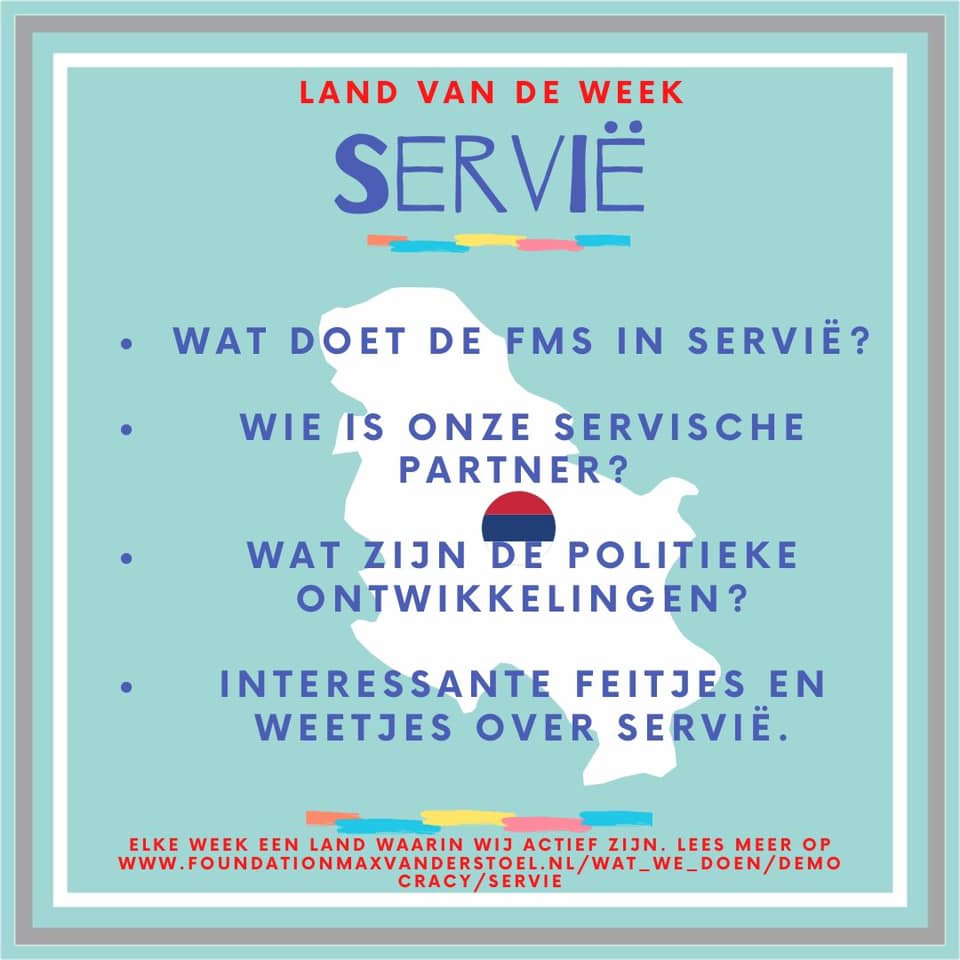
What exactly does FMS do? Where are you active? Who are your partners? Every week we will answer all these questions and more in our new initiative: 'Country of the Week'. Each time, we will highlight one of the countries in which we operate and highlight what we do there through videos, fun facts and stories from our projects! This week: Serbia!
Quarantined democracy: the western Balkans

It seems that EU and its neighbours should not quarantine democracy for too long, as the Hungarian parliament passed the coronavirus law on 30 March. A controversial law designed to deal with the corona crisis. This law has no end date for the state of emergency. Prime Minister Orban received a blank check as a result. Based on this law, Orban gains a lot of power. Áll existing laws in Hungary can currently be temporarily set aside or ignored at his discretion. In addition, the Orban government can decide how long the state of emergency should remain in force. As a result, elections and referendums are not possible while the state of emergency continues. The 'Orban law' also poses a risk to journalists as they are accused of spreading 'fake news'. This puts freedom of expression at risk. Serbia and Montenegro also seem to be exploiting the corona crisis to curb media freedom. This poses a major problem for democratic rule of law and freedoms.
Blow to entire Balkan region: Albania and northern Macedonia rejected by EU
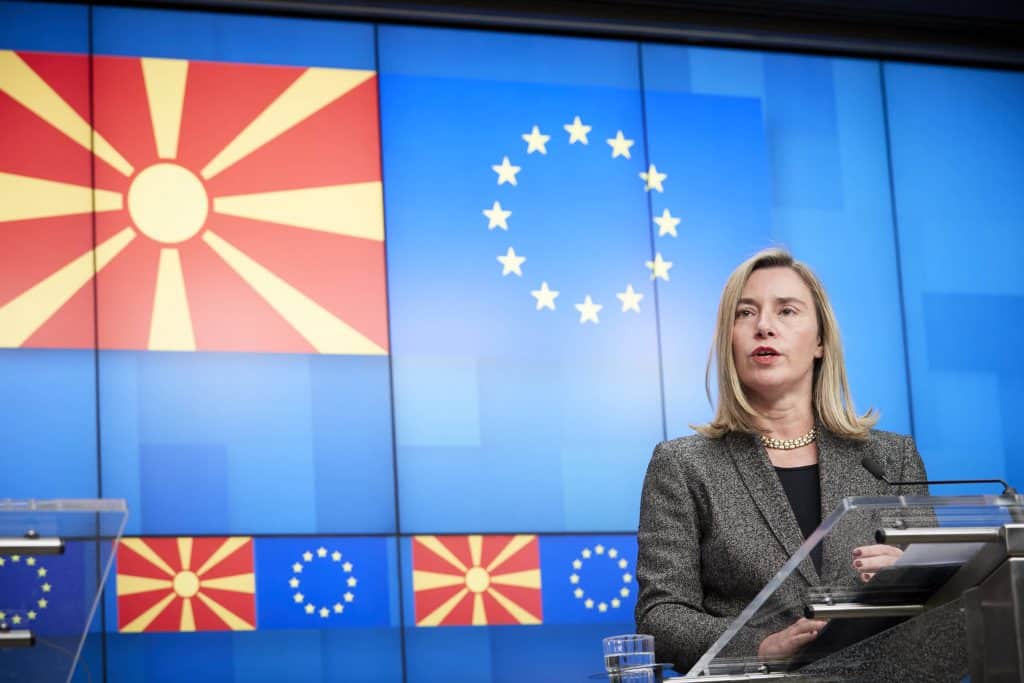
On 18 Oct, the European Council decided after a lengthy debate that it would postpone accession negotiations with Albania and northern Macedonia. Opposition to the opening of negotiations was led by France, which believes that the EU admission process needed to be adjusted before negotiations with prospective member states could be opened. The debate continued on the progress both countries had made on rule of law, human rights and democratisation.
Political newcomers: wave of change in Eastern Europe?

For years, we have been talking about the rise of nationalism, conservatism and nativism in Europe. Could it be that a countermovement is now emerging there? A number of new leaders in Central and Eastern Europe may be showing a new trend. Want to know more? Read all about it in the piece by our Eastern Europe expert Marina Ohanjanyan!
North Macedonia catching the EU train
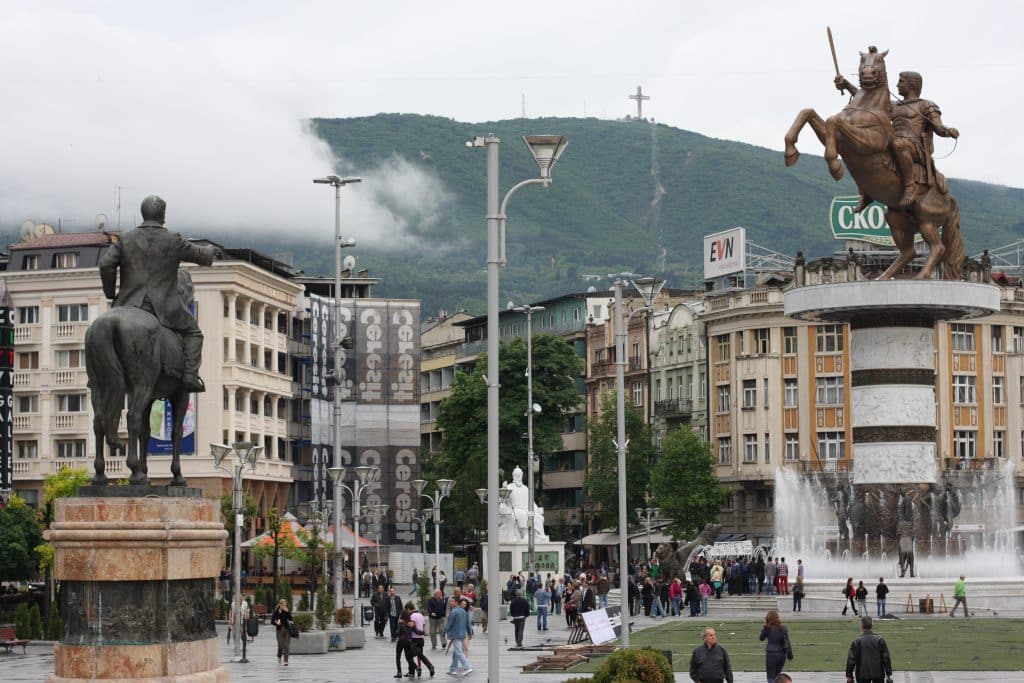
On the 6th of March Foundation Max van der Stoel joined a roundtable discussion at the FES EU Office in Brussels: North Macedonia and Greece after the Prespa Agreement. This Agreement settled the name dispute between Greece and (now) North Macedonia and paved the way for Euro-Atlantic integration. The discussion covered both the lessons that could be learned from this process as well as expectations for the relations between North Macedonia and Greece after signing the Agreement.
FMS workshops at Labour Party congress in Den Bosch
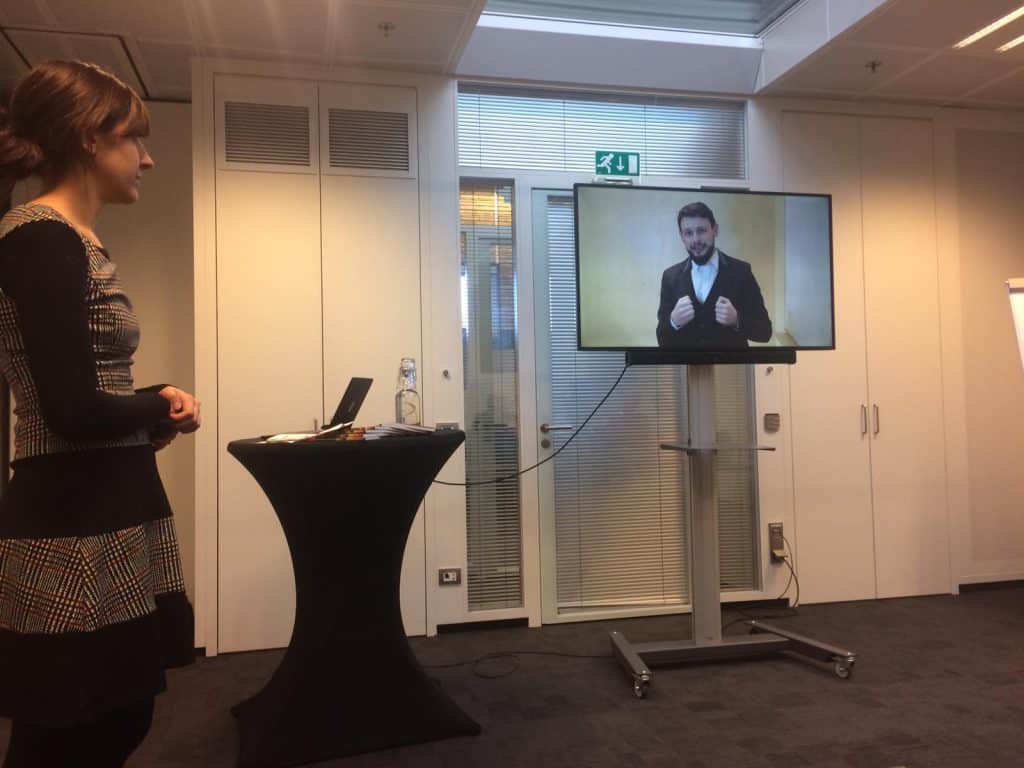
No better place than the Labour Party Congress on 19 January in Den Bosch - where the list and programme for the European elections were decided - to draw our attention to the EU's neighbours. Foundation Max van der Stoel therefore organised two workshops in Den Bosch on the security situation in Eastern Europe and on EU enlargement towards the Western Balkans. Bert Koenders, Jan Marinus Wiersma and Albanian Ambassador Adia Sakiqi were our guest speakers!
Mass protests continue in Serbia: interview with activist Miloš Djajić
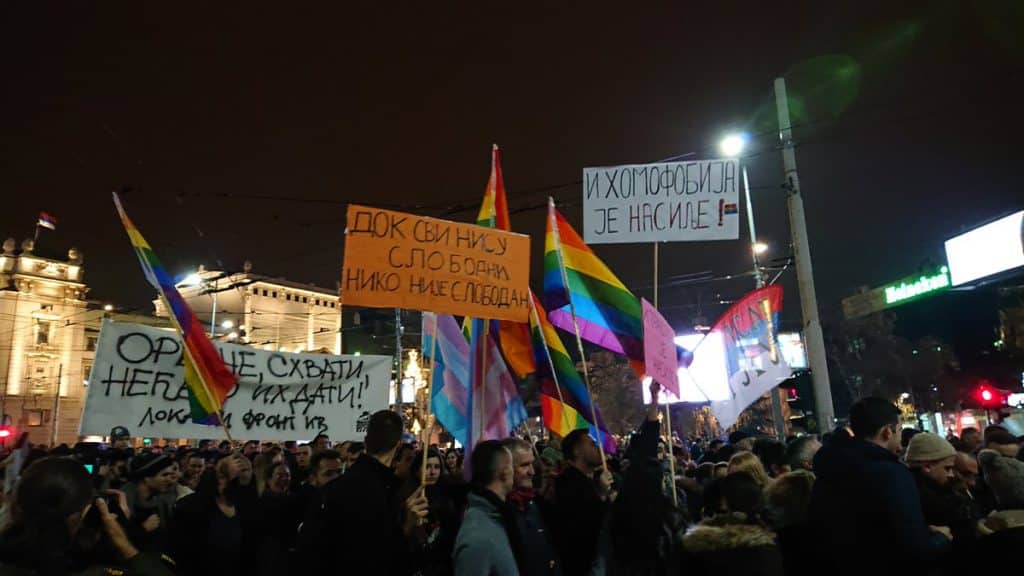
Serbian President Aleksandar Vučić, Serbian Progressive Party (SNS), is under pressure as the protests against him and his government are continuing. Every Saturday, since the 8th of December 2018, thousands of people are marching peacefully throughout Belgrade to protest against violence in the society and Vučić's repressive regime. The protests are supported by the opposition Alliance for Serbia which was created last September. More and more parties are joining the alliance. The Democratic Party (DS) is one of the founding members of the Alliance and we interviewed DS member and director of our partner Center of Modern Skills (CMV), Miloš Djajić,to tell us more about the background of the protests and possible outcomes.
Public meeting: 'Young Generations for the New Western Balkans: Beyond Emigration'
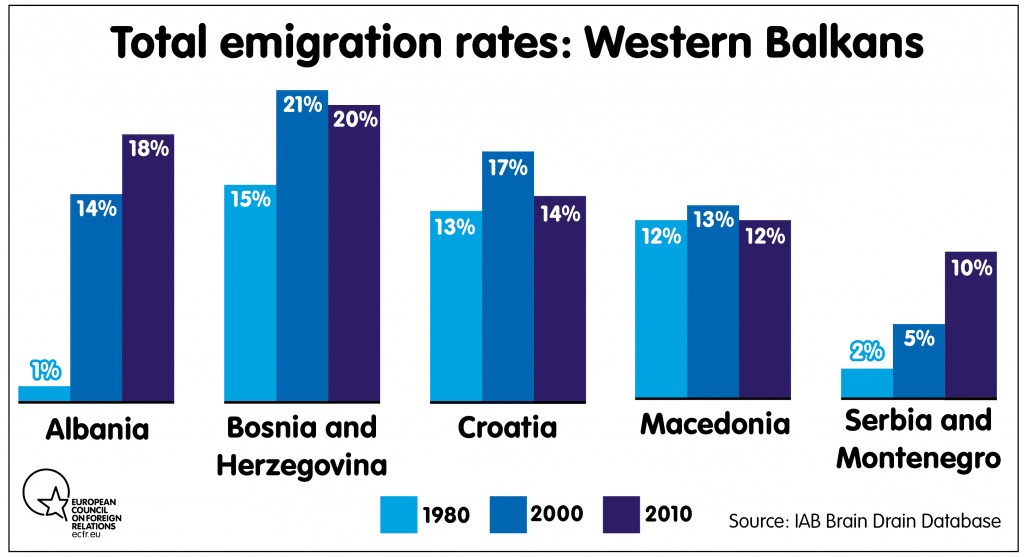
Recent research shows that between 25,000 - 40,000 people are annually leaving each of the Western Balkans countries. Not only young people, but increasingly the middle class as well. A group of young scientist from the region has engaged in a project 'New Horizons for the Young Generations in the Balkans' in order to discuss their visions how to overcome old- fashioned politics and nationalisms and the lack of perspective for younger generations. They will sketch alternative horizons and the look for alternatives for South-Eastern Europe's way beyond emigration. The Hague will be the first place in Europe after Vienna where the results of the mentioned initiative will be presented to the public.
Gender training in Serbia brings progressives together
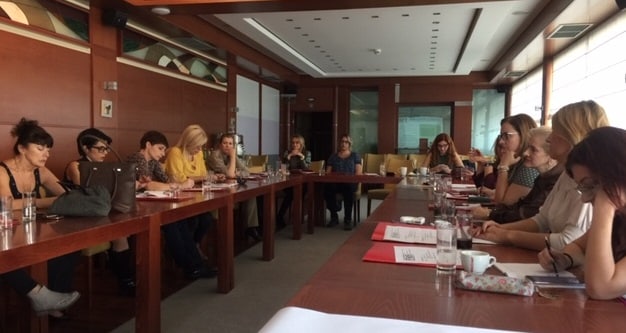
On the weekend of 26-28 October, Foundation Max van der Stoel, in cooperation with the Center of Modern Skills (CMV), organised a gender training for progressive parties and movements in Serbia that are part of the Alliance for Serbia, a new opposition movement. FMS trainers Jamila Aanzi and Sonja Lokar travelled to Vojvodina province to deliver the training.
Division of Kosovo on the table?
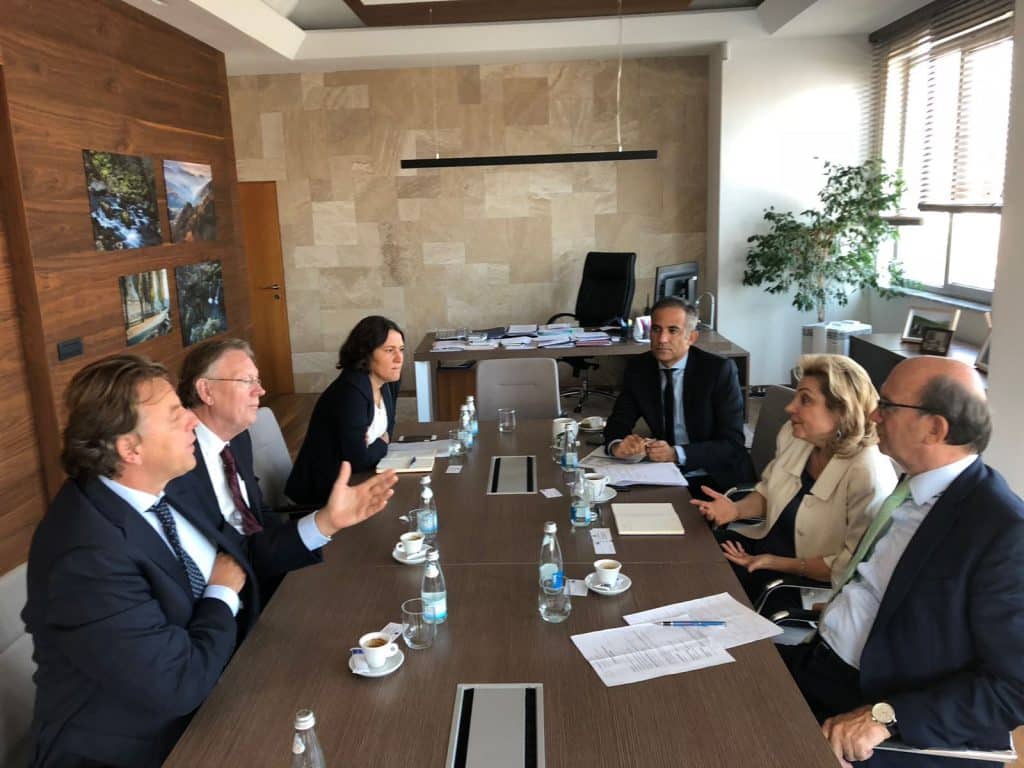
Between the 28th of August and the 2nd of September a delegation of the Dutch Labour Party, Foundation Max van der Stoel and the European Forum for Democracy and Solidarity, headed by Member of the European Parliament Kati Piri, visited EU aspirant countries Kosovo and Macedonia.